
Looking beyond the diagnosis
World Diabetes Day shines a spotlight on one of the most significant health challenges facing communities across the UK. More than five million people are currently living with diabetes, and many more remain at risk. While clinical care, medication and lifestyle interventions are essential, there is growing recognition that successfully managing diabetes requires support that extends far beyond the consulting room. This is where social prescribing can make a profound difference.
Living with Diabetes
For many people, living with diabetes is not simply about managing blood glucose levels. It can involve financial pressures affecting access to healthy food, social isolation, poor mental wellbeing, housing, employment or transport issues, and limited opportunities for physical activity. These wider social determinants of health can significantly influence an individual’s ability to manage their condition effectively.
Connecting people to what matters
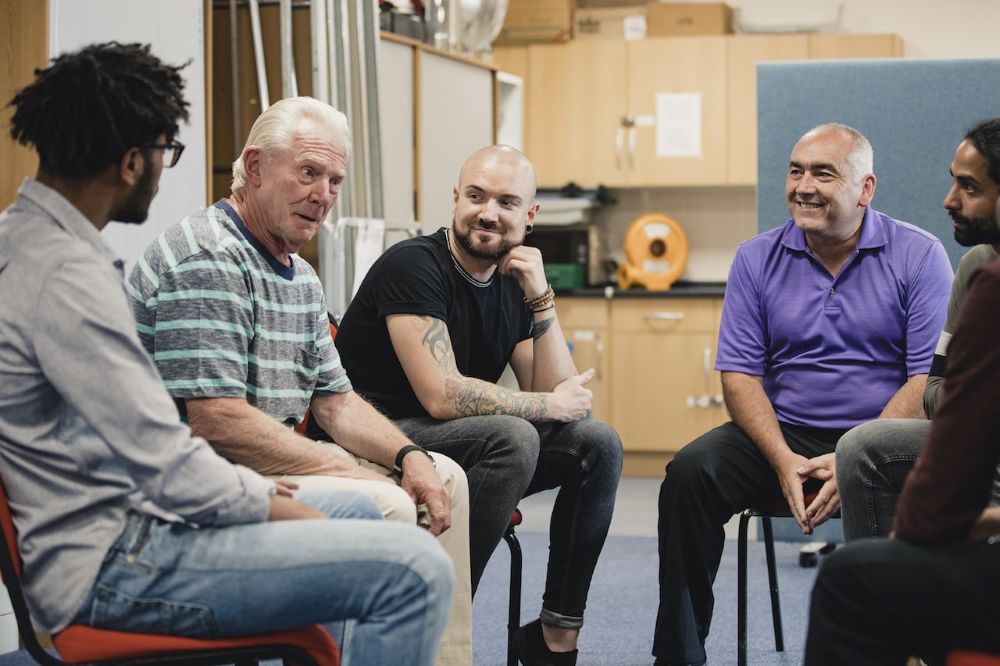
Social prescribing practitioners support people to identify what matters most to them and connect them with community-based activities, services and support. This may include walking groups, community cooking classes, peer support networks, welfare advice, volunteering opportunities and local activities that reduce loneliness and build confidence.
A growing role in Diabetes care
Across the healthcare sector there is increasing recognition that community-based support should sit alongside traditional clinical interventions. Recent discussions involving healthcare leaders, patient advocates and community organisations have reinforced the value of personalised and holistic approaches to diabetes prevention and management.
Tackling health inequalities
Diabetes does not affect everyone equally. People living in areas of greater deprivation, some ethnic minority communities, and those experiencing wider social challenges often face a disproportionately higher risk of developing Type 2 diabetes and experiencing complications. Social prescribing provides a practical mechanism for addressing these inequalities.
Developing a skilled workforce
As demand for social prescribing grows, so too does the need for a skilled and confident workforce. The Social Prescribing Qualification helps equip practitioners with the knowledge, skills and professional confidence needed to deliver high-quality, person-centred support.
This World Diabetes day
By helping people build social connections, access practical support, overcome barriers and take greater control of their health, social prescribing offers a powerful complement to clinical care. As we continue to champion whole-person health, social prescribing practitioners will remain at the heart of creating healthier, more connected communities and supporting better outcomes for people living with diabetes